


What Are Warehouse Plastic Pallets and Their Uses?
 May 25, 2026|
 View:397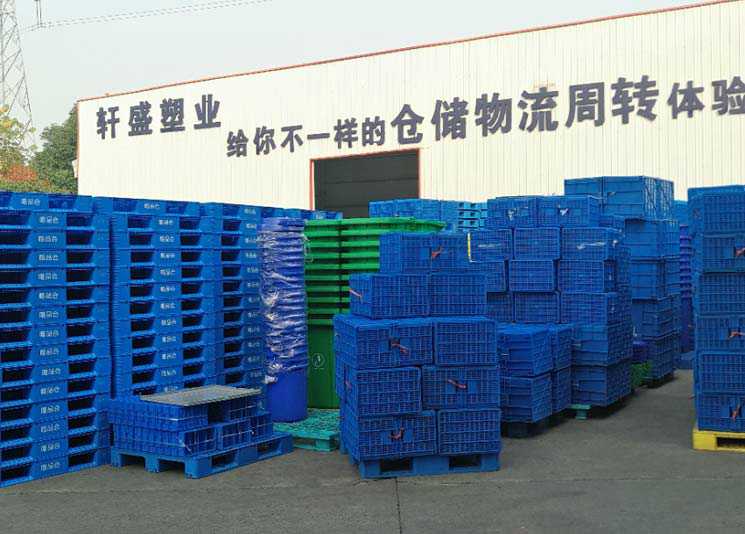
In the modern, fast-paced world of logistics and supply chain management, efficiency, hygiene, and safety are paramount. At the heart of this system lies a fundamental, yet often overlooked, component: the warehouse plastic pallet. This robust, engineered platform is the critical interface between stored goods and the material handling equipment that moves them. Unlike their traditional wooden counterparts, warehouse plastic pallets are designed for durability, consistency, and specialized performance, forming the invisible backbone of efficient storage, transportation, and distribution networks across the globe.
What Exactly Are Warehouse Plastic Pallets?
A warehouse plastic pallet is a flat, structural base, typically rectangular, made from industrial-grade plastics like High-Density Polyethylene (HDPE) or Polypropylene (PP). They are manufactured through processes like injection molding, which creates a seamless, one-piece unit of exceptional strength. Designed with specific features like a grid or solid deck and a reinforced bottom structure (common types include the versatile "Chuan" style, which allows forklift access from four sides), their standardized dimensions allow for perfect compatibility with racking systems, forklifts, pallet jacks, and automated conveyor belts. Their primary purpose is to unitize multiple items into a single, stable load that can be efficiently moved, stacked, and stored, revolutionizing warehouse operations.
Primary Uses and Applications Across Industries
The versatility of warehouse plastic pallets is their greatest strength, making them indispensable in numerous sectors.
- Food, Beverage, and Cold Chain Logistics: Hygiene is non-negotiable. Warehouse plastic pallets are non-porous, easy to clean, and resistant to moisture, bacteria, and odors. Specially formulated, freezer-grade plastic pallets can withstand temperatures as low as -30°C without becoming brittle, making them essential for the safe storage and transport of frozen foods, dairy, and meats. They meet stringent FDA and HACCP standards, preventing contamination.
- Pharmaceutical and Chemical Industries: In environments demanding absolute purity and chemical resistance, plastic is the material of choice. These pallets are impervious to most chemicals and can be thoroughly sanitized or steam-cleaned. Anti-static variants are also available for environments where sparks are a hazard, protecting both sensitive pharmaceuticals and electronic components during warehouse storage.
- Manufacturing and Automotive: Heavy-duty warehouse plastic pallets with high dynamic and static load capacities (e.g., 1,000 kg dynamic, 4,000 kg static) are the workhorses of factories. They safely transport heavy automotive parts, machinery, and raw materials along production lines. Their uniform dimensions and strength are crucial for use with Automated Guided Vehicles (AGVs) and in high-bay storage systems.
- Retail and E-commerce Distribution: The efficiency of large distribution centers hinges on standardization. Durable, nestable plastic pallets save tremendous space when empty and provide a consistent, clean base for transporting goods to retail stores. They withstand countless cycles of loading and unloading, reducing long-term costs and improving supply chain velocity from the warehouse to the store shelf.
- Export and International Shipping:Warehouse plastic pallets are exempt from the International Standards for Phytosanitary Measures (ISPM 15), which mandates costly heat treatment for wooden pallets in international trade. This eliminates border delays, reduces costs, and removes the risk of shipment rejection due to pests, making them the preferred choice for global containerized shipping.
Key Advantages Over Traditional Wooden Pallets
The shift from wood to advanced plastic warehouse pallets is driven by clear, measurable benefits that lower the Total Cost of Ownership (TCO):
- Hygiene & Safety: No splinters, nails, or chemical treatments. They are resistant to pests, mold, and bacteria, creating a safer environment for both products and workers.
- Durability & Longevity: A high-quality plastic pallet can last for 5-10 years or more, outlasting numerous disposable wooden pallets. They are resistant to rot, corrosion, and impact damage.
- Consistency & Reliability: Precision-molded to exact dimensions, they ensure compatibility with automated warehouse systems (AS/RS) and safe, stable racking. Their uniform weight aids in load calculations.
- Lightweight & Efficient: Often lighter than wood, they reduce fuel costs during transportation and make manual handling easier within the warehouse.
- Environmental Sustainability: They are 100% recyclable at end-of-life. Their long service life and reusability drastically reduce solid waste compared to single-use wood, supporting circular economy goals.
How to Choose the Right Warehouse Plastic Pallet
Selecting the optimal warehouse plastic pallet requires matching its specifications to your operational needs:
- Assess Load Requirements: Determine both the dynamic load (weight while moving) and static load (weight when stacked) your application demands.
- Consider Size and Design: Choose a standard footprint (like 1200x1000mm) compatible with your containers and racking. Decide between a solid deck (for small items or cleanliness) or a grid deck (for drainage, lightness, and strapping).
- Evaluate the Operational Environment: Will the pallet be used in a freezer, a cleanroom, or outdoors? This dictates the required material grade (e.g., HDPE for cold storage, FDA-approved resins for food).
- Plan for Handling: Ensure the pallet’s entry style (2-way or 4-way) is compatible with your warehouse equipment.
Sustainability and the Circular Economy
Modern warehouse plastic pallets are a cornerstone of sustainable logistics. Their durability reduces the constant demand for raw materials. At the end of a long service life, they can be granulated and recycled into new products, minimizing landfill waste. This closed-loop approach, combined with their efficiency in optimizing space and reducing product damage, makes them an environmentally responsible choice for forward-thinking businesses.
Conclusion: A Foundational Tool for Modern Logistics
Understanding what warehouse plastic pallets are and their vast array of uses reveals their role as a strategic asset, not just a commodity. They are engineered solutions that ensure product integrity, drive automation, meet global compliance standards, and protect a company's bottom line. For businesses seeking to build a more resilient, efficient, and hygienic supply chain, investing in the right plastic pallet is a critical first step.
Manufacturers like XuanSheng leverage decades of expertise in material science and production to provide a comprehensive range of high-performance warehouse plastic pallets. From heavy-duty Chuan-style pallets to custom solutions for cold chains and automated systems, partnering with a specialized manufacturer ensures access to the precise tools needed to optimize your warehouse and logistics operations for the future.